Industry News
The Northern Corridor in 2025: What the New Infrastructure Push Means for Uganda Importers
IVANOS Logistics Team · June 07, 2026
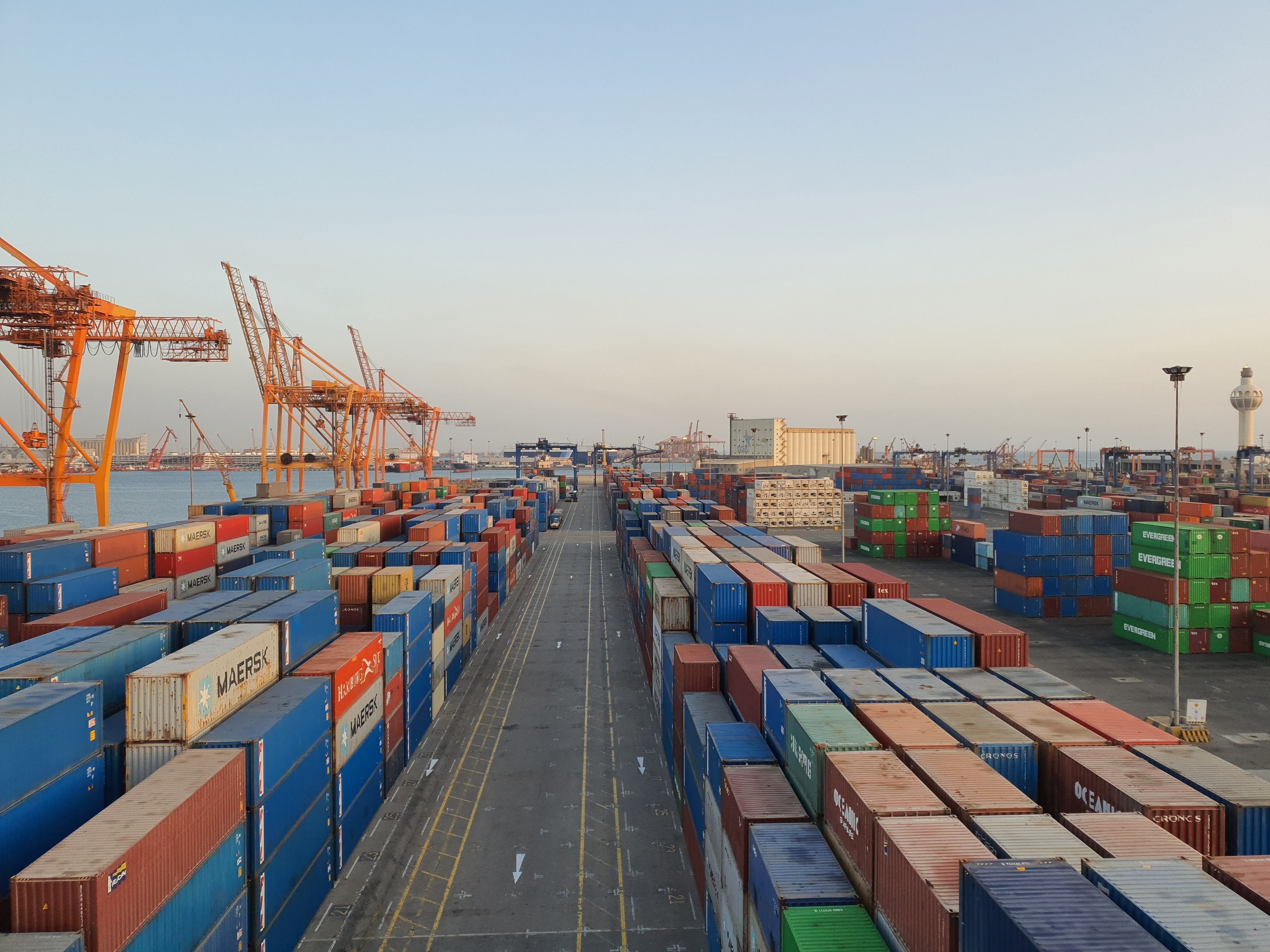
The Northern Corridor has always been Uganda's most important economic artery. Stretching 1,700 kilometres from the deep-water Port of Mombasa to Kampala — with onward branches to Kigali, Bujumbura, Juba, and Goma — it carries the vast majority of Uganda's import and export cargo. But in 2025, something significant is happening along this corridor: a wave of infrastructure investment that could meaningfully reduce transit times and logistics costs for East African businesses.
Here is what is happening and what it means for your supply chain.
The Kenya-Uganda Expressway
The East African Community has confirmed that the Kisumu-Busia/Kakira-Malaba Multinational Expressway is preparing to break ground. Backed by the African Development Bank and a grant from the NEPAD Infrastructure Project Preparation Facility, this expressway will modernise one of the most congested stretches of the Northern Corridor — the western Kenya section between Kisumu and the Malaba border crossing.
For logistics operators, this is significant. The current A104 highway through western Kenya is a bottleneck that adds hours — and sometimes days — to Mombasa-Kampala transit times. Congestion, weighbridge queues, and ageing road surfaces mean that a truck that clears Mombasa on Monday may not reach Kampala until Thursday or Friday. The expressway is projected to improve freight efficiency, reduce border transit times, and improve road safety on this critical stretch.
Kenya Railways and Uganda Railways Cooperation
In June 2025, Kenya Railways Corporation and Uganda Railways Corporation (URC) met to strengthen cooperation on the Northern Corridor. The discussions focused on integrating the Standard Gauge Railway (SGR) with Uganda's Metre Gauge Railway (MGR) network, expanding rolling stock capacity, and improving cargo handling efficiency at cross-border points.
For importers, better rail integration could mean a genuine multi-modal option for non-time-critical cargo — using SGR from Mombasa to Naivasha or Kisumu, then transferring to road or rail for the final leg to Kampala. This is particularly relevant for bulk commodities like cement, steel, and fertiliser where road haulage costs are significant.
Digital Customs and One-Stop Border Posts
The Kenya Revenue Authority and the Uganda Revenue Authority have been progressively rolling out digital systems to reduce dwell time at border crossings. The single customs territory (SCT) arrangement allows transit cargo cleared at Mombasa to move under electronic bond to Kampala ICD — reducing the number of physical inspections and document checks at Malaba and Busia.
What This Means for You
For Uganda importers and exporters, these developments point to a Northern Corridor that will become faster, more reliable, and more cost-competitive over the next two to five years. Transit times from Mombasa to Kampala — currently averaging three to five days for well-managed consignments — could realistically fall below three days as road infrastructure improves and digital customs systems mature.
At IVANOS Logistics, we operate daily freight movements on the Northern Corridor and monitor these developments closely. Our drivers, clearing agents, and operations team are positioned to take advantage of infrastructure improvements as they materialise — and to advise our clients on the most efficient routing options at any given time.
For a quote on your next Mombasa-Kampala shipment, contact our operations team.
Here is what is happening and what it means for your supply chain.
The Kenya-Uganda Expressway
The East African Community has confirmed that the Kisumu-Busia/Kakira-Malaba Multinational Expressway is preparing to break ground. Backed by the African Development Bank and a grant from the NEPAD Infrastructure Project Preparation Facility, this expressway will modernise one of the most congested stretches of the Northern Corridor — the western Kenya section between Kisumu and the Malaba border crossing.
For logistics operators, this is significant. The current A104 highway through western Kenya is a bottleneck that adds hours — and sometimes days — to Mombasa-Kampala transit times. Congestion, weighbridge queues, and ageing road surfaces mean that a truck that clears Mombasa on Monday may not reach Kampala until Thursday or Friday. The expressway is projected to improve freight efficiency, reduce border transit times, and improve road safety on this critical stretch.
Kenya Railways and Uganda Railways Cooperation
In June 2025, Kenya Railways Corporation and Uganda Railways Corporation (URC) met to strengthen cooperation on the Northern Corridor. The discussions focused on integrating the Standard Gauge Railway (SGR) with Uganda's Metre Gauge Railway (MGR) network, expanding rolling stock capacity, and improving cargo handling efficiency at cross-border points.
For importers, better rail integration could mean a genuine multi-modal option for non-time-critical cargo — using SGR from Mombasa to Naivasha or Kisumu, then transferring to road or rail for the final leg to Kampala. This is particularly relevant for bulk commodities like cement, steel, and fertiliser where road haulage costs are significant.
Digital Customs and One-Stop Border Posts
The Kenya Revenue Authority and the Uganda Revenue Authority have been progressively rolling out digital systems to reduce dwell time at border crossings. The single customs territory (SCT) arrangement allows transit cargo cleared at Mombasa to move under electronic bond to Kampala ICD — reducing the number of physical inspections and document checks at Malaba and Busia.
What This Means for You
For Uganda importers and exporters, these developments point to a Northern Corridor that will become faster, more reliable, and more cost-competitive over the next two to five years. Transit times from Mombasa to Kampala — currently averaging three to five days for well-managed consignments — could realistically fall below three days as road infrastructure improves and digital customs systems mature.
At IVANOS Logistics, we operate daily freight movements on the Northern Corridor and monitor these developments closely. Our drivers, clearing agents, and operations team are positioned to take advantage of infrastructure improvements as they materialise — and to advise our clients on the most efficient routing options at any given time.
For a quote on your next Mombasa-Kampala shipment, contact our operations team.