Logistics Guide
Why Cold Chain Logistics Is Becoming Critical for East African Businesses in 2025
IVANOS Logistics Team · May 25, 2026
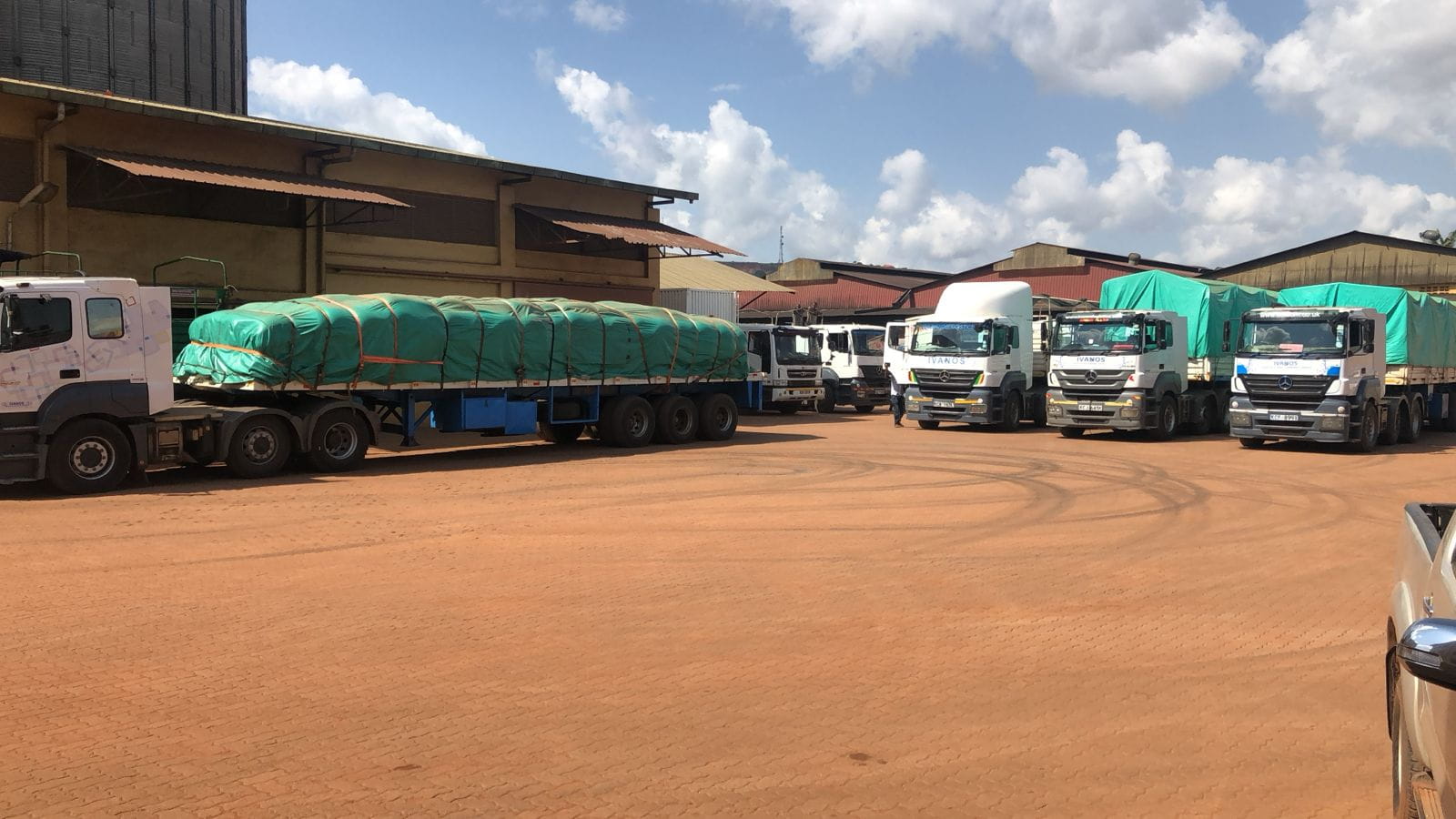
Cold chain logistics — the science of moving temperature-sensitive goods without interruption to the required thermal conditions — is no longer a niche service in East Africa. It is a strategic business requirement for pharmaceutical importers, agricultural exporters, food distributors, and healthcare programmes across the region.
The numbers tell the story clearly. The Middle East and Africa cold chain logistics market was valued at USD 13.10 billion in 2025 and is projected to reach USD 23.72 billion by 2034, growing at a compound annual growth rate of 6.82%. Within East Africa specifically, demand is being driven by three converging forces: rising pharmaceutical imports, expanding horticultural exports, and a rapidly urbanising consumer class that expects fresh, safe food year-round.
What Is Cold Chain Logistics?
Cold chain logistics refers to the uninterrupted management of temperature-controlled environments throughout a shipment's journey — from the moment goods leave the manufacturer or farm to the moment they are received by the end customer. It includes refrigerated storage, temperature-controlled vehicles, reefer containers, data logging equipment, and trained personnel who understand the protocols for each cargo type.
Different cargo types require different temperature ranges:
- Vaccines and biologics: +2°C to +8°C
- Fresh produce and cut flowers: +5°C to +13°C depending on the product
- Frozen meat, fish, and dairy: -18°C to -25°C
- Ambient-controlled pharmaceuticals: +15°C to +25°C
A deviation from these ranges — even for a short period — can render pharmaceuticals ineffective, cause produce to spoil, or trigger food safety failures that expose your business to regulatory and reputational risk.
The Pharmaceutical Sector
Cross-border pharmaceutical shipments across the East African Community are increasingly reliant on temperature-monitored reefer trucks and containers. WHO Good Distribution Practice (GDP) guidelines require continuous data logging and route risk assessments for all temperature-sensitive medicines. For importers bringing medicines through the Port of Mombasa and delivering to health facilities in Uganda, Rwanda, or South Sudan, this means every leg of the journey must be documented and monitored.
The Agricultural Export Opportunity
Uganda and Kenya's horticultural sectors — fresh flowers, fish fillets, avocados, and specialty vegetables — depend on reliable cold chain logistics for access to European and Middle Eastern markets. Products must maintain specific temperature conditions from farm to airfreight ramp to European supermarket shelf. A single cold chain failure at Entebbe Airport or in transit to the airport can result in an entire consignment being rejected at the destination.
Reefer Container Hire: A Practical Solution
For businesses that move temperature-sensitive cargo occasionally — or that need cold storage at a facility without built-in refrigeration — reefer container hire with genset backup offers a practical and cost-effective solution. IVANOS Logistics provides 20ft and 40ft reefer containers configurable from -25°C to +25°C, with pre-trip inspection certificates and optional remote temperature monitoring.
Getting Started
If you are moving temperature-sensitive cargo across East Africa and you are not yet working with a specialist cold chain provider, the risks to your product — and your business — are significant. Contact the IVANOS Logistics team to discuss your requirements and receive a proposal for temperature-controlled transport or reefer container hire.
The numbers tell the story clearly. The Middle East and Africa cold chain logistics market was valued at USD 13.10 billion in 2025 and is projected to reach USD 23.72 billion by 2034, growing at a compound annual growth rate of 6.82%. Within East Africa specifically, demand is being driven by three converging forces: rising pharmaceutical imports, expanding horticultural exports, and a rapidly urbanising consumer class that expects fresh, safe food year-round.
What Is Cold Chain Logistics?
Cold chain logistics refers to the uninterrupted management of temperature-controlled environments throughout a shipment's journey — from the moment goods leave the manufacturer or farm to the moment they are received by the end customer. It includes refrigerated storage, temperature-controlled vehicles, reefer containers, data logging equipment, and trained personnel who understand the protocols for each cargo type.
Different cargo types require different temperature ranges:
- Vaccines and biologics: +2°C to +8°C
- Fresh produce and cut flowers: +5°C to +13°C depending on the product
- Frozen meat, fish, and dairy: -18°C to -25°C
- Ambient-controlled pharmaceuticals: +15°C to +25°C
A deviation from these ranges — even for a short period — can render pharmaceuticals ineffective, cause produce to spoil, or trigger food safety failures that expose your business to regulatory and reputational risk.
The Pharmaceutical Sector
Cross-border pharmaceutical shipments across the East African Community are increasingly reliant on temperature-monitored reefer trucks and containers. WHO Good Distribution Practice (GDP) guidelines require continuous data logging and route risk assessments for all temperature-sensitive medicines. For importers bringing medicines through the Port of Mombasa and delivering to health facilities in Uganda, Rwanda, or South Sudan, this means every leg of the journey must be documented and monitored.
The Agricultural Export Opportunity
Uganda and Kenya's horticultural sectors — fresh flowers, fish fillets, avocados, and specialty vegetables — depend on reliable cold chain logistics for access to European and Middle Eastern markets. Products must maintain specific temperature conditions from farm to airfreight ramp to European supermarket shelf. A single cold chain failure at Entebbe Airport or in transit to the airport can result in an entire consignment being rejected at the destination.
Reefer Container Hire: A Practical Solution
For businesses that move temperature-sensitive cargo occasionally — or that need cold storage at a facility without built-in refrigeration — reefer container hire with genset backup offers a practical and cost-effective solution. IVANOS Logistics provides 20ft and 40ft reefer containers configurable from -25°C to +25°C, with pre-trip inspection certificates and optional remote temperature monitoring.
Getting Started
If you are moving temperature-sensitive cargo across East Africa and you are not yet working with a specialist cold chain provider, the risks to your product — and your business — are significant. Contact the IVANOS Logistics team to discuss your requirements and receive a proposal for temperature-controlled transport or reefer container hire.