Logistics Guide
A Practical Guide to Clearing Goods Through Mombasa Port for Uganda Importers
IVANOS Logistics Team · May 09, 2026
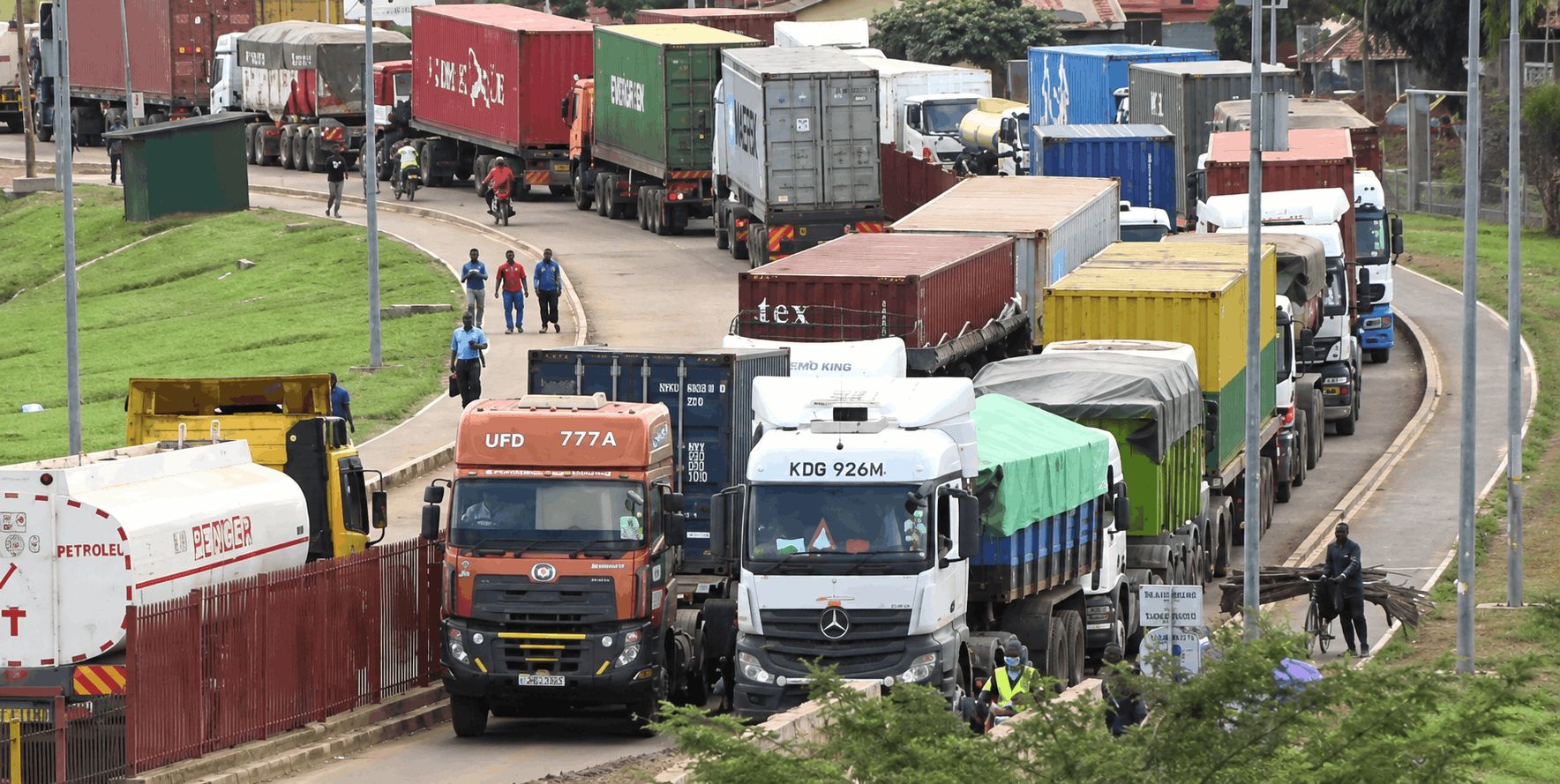
The Port of Mombasa handles over 35 million tonnes of cargo annually and serves as the primary gateway for Uganda, Rwanda, Burundi, South Sudan, and Eastern DRC. For Ugandan importers, understanding how the clearance process works — and where delays typically occur — is essential for managing supply chains efficiently.
This guide explains the key steps in clearing goods at Mombasa for delivery into Uganda.
Step 1: Pre-Arrival Documentation
Before your vessel arrives at Mombasa, your clearing agent should receive and review the shipping documents: the Bill of Lading (BL), Commercial Invoice, Packing List, Certificate of Origin, and any inspection certificates required by the Uganda National Bureau of Standards (UNBS) or Uganda Revenue Authority (URA).
The tariff classification (HS code) should be confirmed at this stage, as incorrect classification is one of the most common causes of delays and disputes during clearance. Your agent should also compute the expected duty liability so you can prepare funds in advance.
Step 2: Entry Lodgement with KRA
Once the vessel arrives and documents are available, your clearing agent lodges the import entry in the Kenya Revenue Authority's Integrated Customs Management System (iCMS). For transit cargo destined for Uganda, this will typically be a transit entry (C63 bond) rather than a consumption entry.
The transit bond covers the value of potential duties on the cargo and is discharged when the goods are confirmed to have exited Kenya at Malaba, Busia, or another approved exit point.
Step 3: Examination and Release
KRA selects entries for examination using a risk-profiling system. Red channel entries require full physical examination; yellow channel entries require documentary review; green channel entries proceed directly to release. A well-prepared, consistent importer with a good compliance history will typically receive a higher proportion of green channel selections over time.
For examined cargo, your clearing agent should attend the examination and ensure the examining officer's findings are recorded accurately. Any discrepancies between the entry and the physical goods must be addressed before release is granted.
Step 4: Container Release and Port Exit
After duty payment (for consumption entries) or transit bond lodgement (for transit cargo), the container is released from KRA control. Your clearing agent then processes the port exit documentation with the Kenya Ports Authority (KPA) — paying any port storage or handling charges, obtaining the delivery order, and coordinating with the haulier for container collection.
This stage is where demurrage costs can accumulate quickly if the process is not managed proactively. Containers at Mombasa ICD attract daily storage charges after a free period, and these can become substantial for complex or delayed clearances.
Step 5: Transit to Uganda
Transit cargo moves under bond from Mombasa to the Malaba or Busia border, where Uganda Customs conducts its own examination and assessment. At this point, Uganda duties, VAT, and withholding taxes are paid (or a Uganda transit bond is lodged for further transit to Rwanda, South Sudan, or DRC).
The cargo then proceeds to its final destination in Uganda.
How IVANOS Can Help
IVANOS Logistics manages this entire process on behalf of our clients — from pre-arrival document review through to final delivery in Kampala or upcountry. Our licensed clearing agents at Mombasa and our operations team in Kampala coordinate every step, keeping you informed and ensuring no unnecessary delays or costs are incurred.
Contact us to discuss your clearing and forwarding requirements.
This guide explains the key steps in clearing goods at Mombasa for delivery into Uganda.
Step 1: Pre-Arrival Documentation
Before your vessel arrives at Mombasa, your clearing agent should receive and review the shipping documents: the Bill of Lading (BL), Commercial Invoice, Packing List, Certificate of Origin, and any inspection certificates required by the Uganda National Bureau of Standards (UNBS) or Uganda Revenue Authority (URA).
The tariff classification (HS code) should be confirmed at this stage, as incorrect classification is one of the most common causes of delays and disputes during clearance. Your agent should also compute the expected duty liability so you can prepare funds in advance.
Step 2: Entry Lodgement with KRA
Once the vessel arrives and documents are available, your clearing agent lodges the import entry in the Kenya Revenue Authority's Integrated Customs Management System (iCMS). For transit cargo destined for Uganda, this will typically be a transit entry (C63 bond) rather than a consumption entry.
The transit bond covers the value of potential duties on the cargo and is discharged when the goods are confirmed to have exited Kenya at Malaba, Busia, or another approved exit point.
Step 3: Examination and Release
KRA selects entries for examination using a risk-profiling system. Red channel entries require full physical examination; yellow channel entries require documentary review; green channel entries proceed directly to release. A well-prepared, consistent importer with a good compliance history will typically receive a higher proportion of green channel selections over time.
For examined cargo, your clearing agent should attend the examination and ensure the examining officer's findings are recorded accurately. Any discrepancies between the entry and the physical goods must be addressed before release is granted.
Step 4: Container Release and Port Exit
After duty payment (for consumption entries) or transit bond lodgement (for transit cargo), the container is released from KRA control. Your clearing agent then processes the port exit documentation with the Kenya Ports Authority (KPA) — paying any port storage or handling charges, obtaining the delivery order, and coordinating with the haulier for container collection.
This stage is where demurrage costs can accumulate quickly if the process is not managed proactively. Containers at Mombasa ICD attract daily storage charges after a free period, and these can become substantial for complex or delayed clearances.
Step 5: Transit to Uganda
Transit cargo moves under bond from Mombasa to the Malaba or Busia border, where Uganda Customs conducts its own examination and assessment. At this point, Uganda duties, VAT, and withholding taxes are paid (or a Uganda transit bond is lodged for further transit to Rwanda, South Sudan, or DRC).
The cargo then proceeds to its final destination in Uganda.
How IVANOS Can Help
IVANOS Logistics manages this entire process on behalf of our clients — from pre-arrival document review through to final delivery in Kampala or upcountry. Our licensed clearing agents at Mombasa and our operations team in Kampala coordinate every step, keeping you informed and ensuring no unnecessary delays or costs are incurred.
Contact us to discuss your clearing and forwarding requirements.